Tuesday, 9 June 2015
Portraits
Portrait photography is a person or a group of people hat displays the expression, personality, and mood of the subject. Portraiture mostly focuses on the person's face, although the entire body and the background or context may be included.
Rankin
I have chosen both of these images as an example of portraiture because in my work I will be using extravagant, high-fashioned make up and Rankin work has inspired me to do so but to create this kind of piece, I will be doing it slightly different by adding face art, glitter along with the dramatic make up.
Wednesday, 13 May 2015
Landscape
TASK 1
Landscape photography is photographic genre that shows spaces within the world. They usually capture the presence of nature but can also focus on man-made features or disturbances of landscapes.
The difference between urban landscape and the natural is that an urban area is an area with an increased density of human-created structures in comparison to the areas surrounding it. Urban areas may be cities, towns or conurbations. Whilst an 'rural' area are settled places outside towns and cities. They can have an 'agricultural' character, basically meaning the 'countryside'. Rural areas are less modern and open than urban areas. People who live in rural areas are more likely to be more attached to there 'traditions' and 'beliefs'.
When shooting this kind of work, you must consider different techniques. This goes from composition, making sure you've arrange the visual elements to get the correct exposure. From taking the weather into consideration, the time of day, etc.
This landscape photograph is taken by an photographer called Mike Curry. This photo taken in Greenwich park (London) in the summer on his 'infra red converted' camera which manipulates the image basically by adding very dark contrast.
TASK 2
These landscapes photographs belong to a British artist called Abigail Reynolds. She is based between London and St Just, Cornwall. She studied English Literature at Oxford University before pursuing fine art. Reynolds' works are photographs in a larger context, but takes no photos herself but appropriates photographs of famous monuments printed in books and transforms them as you see with the example photos that I have chosen.
Reynolds' work challenges conventions as her work challenges the perspective of
landscape photography as she transforms these simple landscapes to collages which is called a photo 'montage' which is a photographic technique but handmade.

These landscape photographs belong to a French-canadian photographer called Benoit Paille. He was first originally studying medical biology for 3 years but then turned to fine arts and became a self-taught successful photographer.
Benoits' work challenges conventions by him turning a basic image into extravagant image with him adding netting with lights attached in the middle of every image which causes that white, square box which leaves this landscape different to everyone else's.
Benoits' work includes photographic techniques which are using a wide aperture as there is hardly any light and using a long shutter speed as there isn't a lot of light in the location so you need the light to get into the lens.
TASK 3 (Own Images)

These contact sheets are examples of ''landscapes'' which I have taken around the college campus. The task was to ''challenge the perspectives'', I took a couple of photos which are challenging the perspective but some that aren't as you can see on the contact sheets. The ones that aren't ''challenging the perspectives'' are the ones that you would expect from landscape photography which give the plain, boring, everyday look which you would normally see but by challenging the perspectives, your landscape photographs becomes different to any other photographer.
These images are the ones that I have chosen out of the contact sheet that shows above. I have chosen these two images specifically because I find these ones the most interesting as they ''challenge the perspectives'' of landscapes. The reason on why they challenge the perspectives and are different to any other landscapes is because of the angle they have been taken. For example, this has been taken from a low angle point.

Landscape photography is photographic genre that shows spaces within the world. They usually capture the presence of nature but can also focus on man-made features or disturbances of landscapes.
The difference between urban landscape and the natural is that an urban area is an area with an increased density of human-created structures in comparison to the areas surrounding it. Urban areas may be cities, towns or conurbations. Whilst an 'rural' area are settled places outside towns and cities. They can have an 'agricultural' character, basically meaning the 'countryside'. Rural areas are less modern and open than urban areas. People who live in rural areas are more likely to be more attached to there 'traditions' and 'beliefs'.
When shooting this kind of work, you must consider different techniques. This goes from composition, making sure you've arrange the visual elements to get the correct exposure. From taking the weather into consideration, the time of day, etc.
TASK 2
These landscapes photographs belong to a British artist called Abigail Reynolds. She is based between London and St Just, Cornwall. She studied English Literature at Oxford University before pursuing fine art. Reynolds' works are photographs in a larger context, but takes no photos herself but appropriates photographs of famous monuments printed in books and transforms them as you see with the example photos that I have chosen.
Reynolds' work challenges conventions as her work challenges the perspective of
landscape photography as she transforms these simple landscapes to collages which is called a photo 'montage' which is a photographic technique but handmade.

These landscape photographs belong to a French-canadian photographer called Benoit Paille. He was first originally studying medical biology for 3 years but then turned to fine arts and became a self-taught successful photographer.
Benoits' work challenges conventions by him turning a basic image into extravagant image with him adding netting with lights attached in the middle of every image which causes that white, square box which leaves this landscape different to everyone else's.
Benoits' work includes photographic techniques which are using a wide aperture as there is hardly any light and using a long shutter speed as there isn't a lot of light in the location so you need the light to get into the lens.
TASK 3 (Own Images)

These contact sheets are examples of ''landscapes'' which I have taken around the college campus. The task was to ''challenge the perspectives'', I took a couple of photos which are challenging the perspective but some that aren't as you can see on the contact sheets. The ones that aren't ''challenging the perspectives'' are the ones that you would expect from landscape photography which give the plain, boring, everyday look which you would normally see but by challenging the perspectives, your landscape photographs becomes different to any other photographer.
These images are the ones that I have chosen out of the contact sheet that shows above. I have chosen these two images specifically because I find these ones the most interesting as they ''challenge the perspectives'' of landscapes. The reason on why they challenge the perspectives and are different to any other landscapes is because of the angle they have been taken. For example, this has been taken from a low angle point.
Wednesday, 29 April 2015
Still Life
Marcel Christ
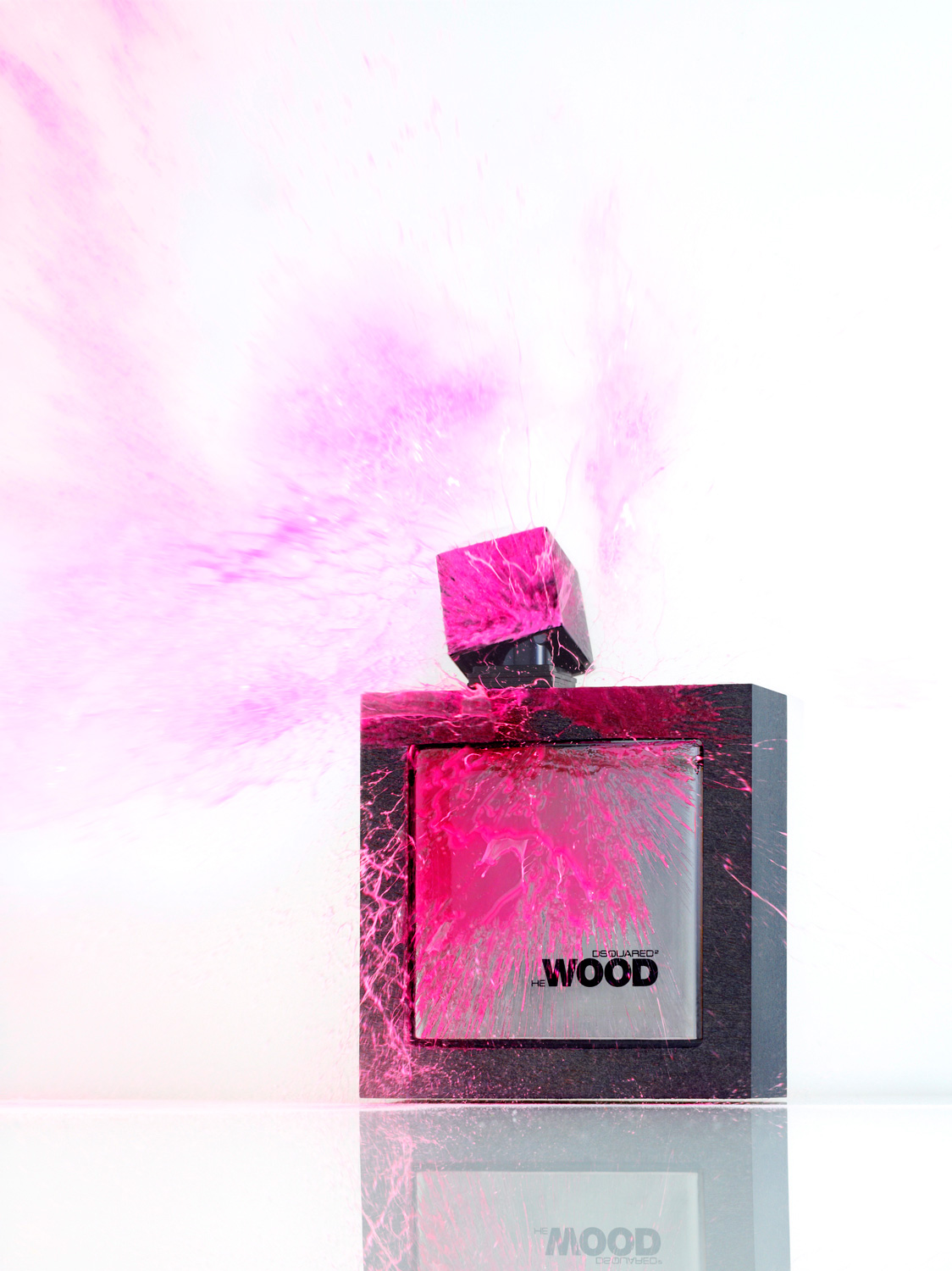
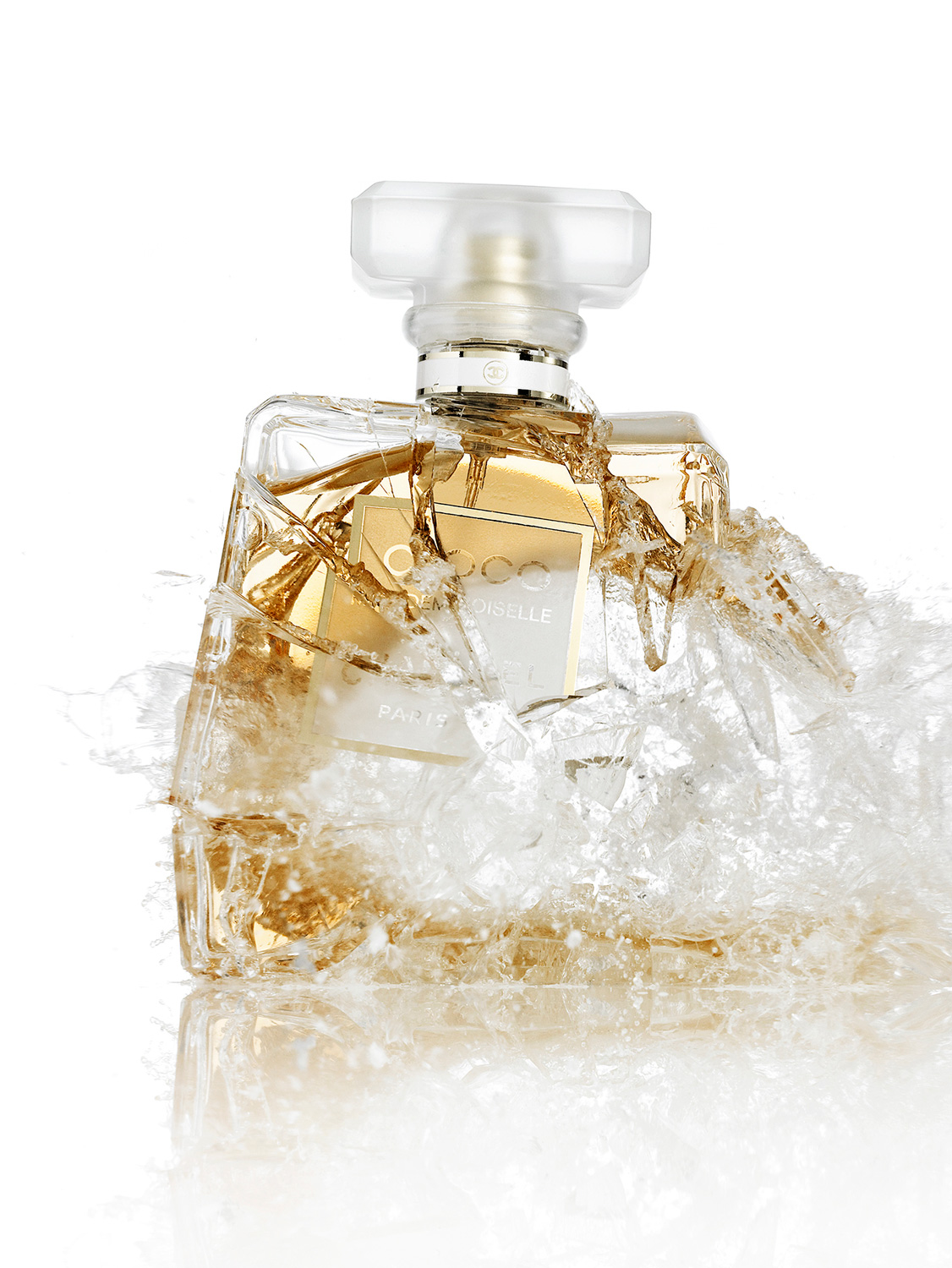
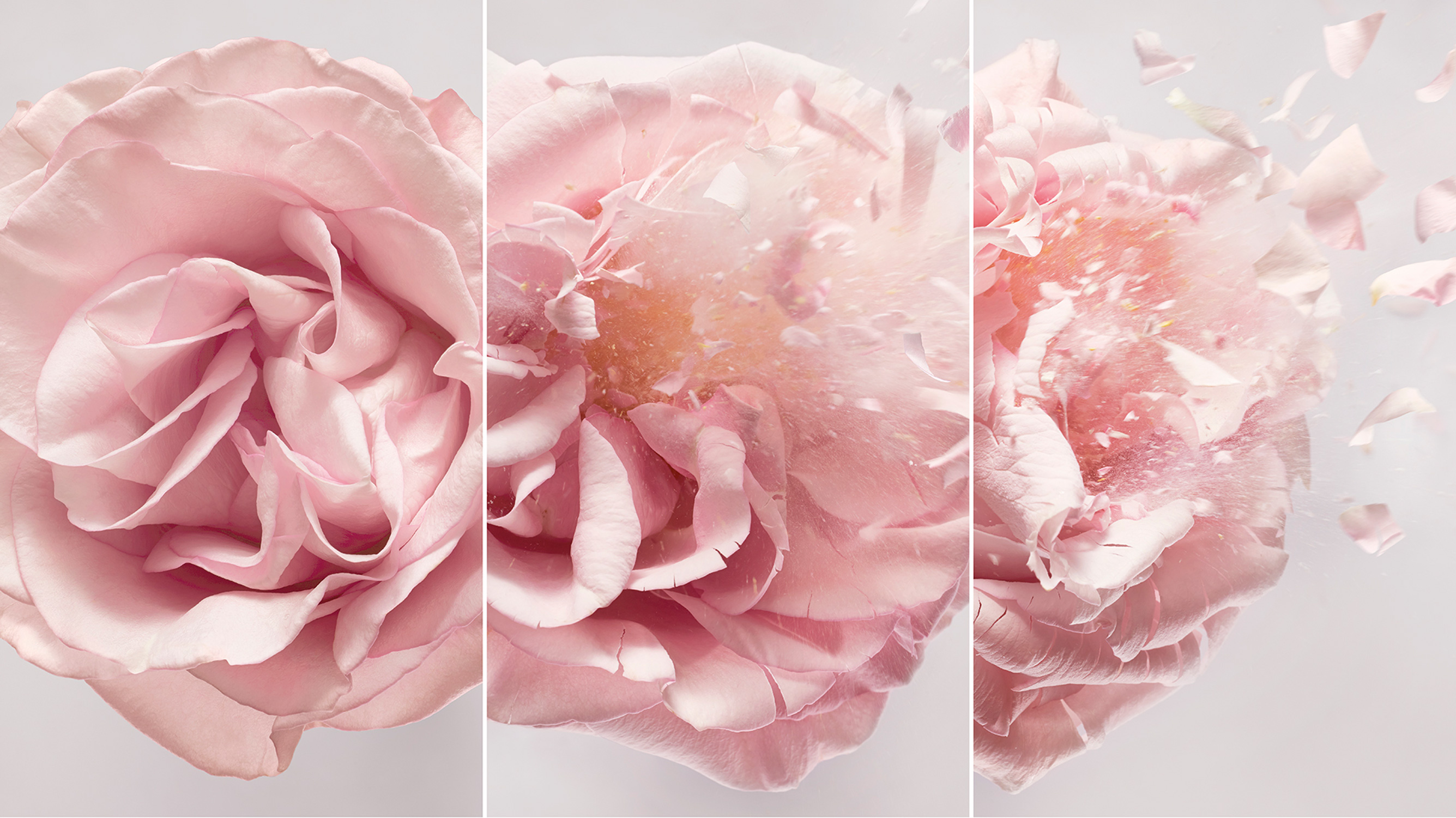
I have chosen these following images that are shown below because I find Marcel's work unique. This is because when you see normal advertisements, you don't expect to see a perfume glass shattered into pieces as you normally think of them to be neat and tidy. I think this is either done by using a fast shutter speed or post-production.
The left hand side and the bottom images show something exploding within the image. For example, the left hand side gives off that expression that something is exploding out of the perfume glass whilst the bottom image shows a flower exploding piece by piece.
David Partfitt
I have chosen these following images that are shown below because David's uses juxtaposition in his work. For example, the left hand side demosrates this by having jewelry on garden essentials, you just wouldn't expect it which makes it 'juxtaposition'.
The right hand side image is similar to what I explained further up on Marcel Christ work that this could be done by either a really fast shutter speed or post-poduction and the same goes the bottom or it is actually using a technique of 'light painting' behind the perfume instead of editing it to the image without actually doing it yourself which is called 'post-poduction'.
Own still-life work
These images that are shown below on a contact sheet are the images that I have shot for still life.
Subscribe to:
Posts (Atom)